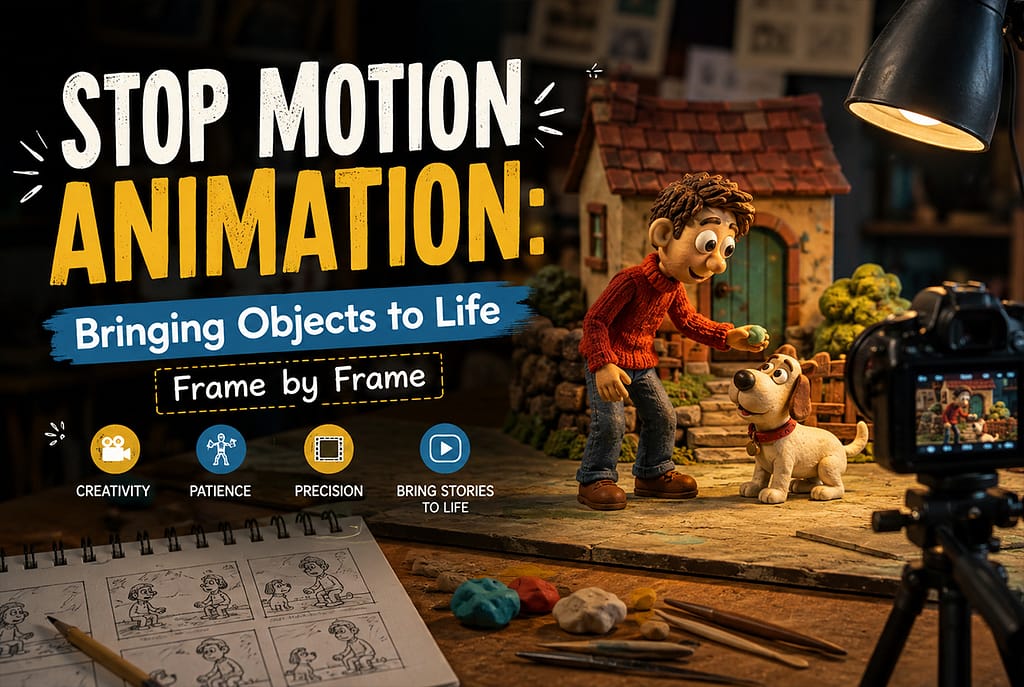


How to Start a Career in Animation After 12th: A Beginner’s Guide
Ever seen an animated movie, played a video game or visual effects movie and wondered about the visuals involved in...
40, Kalyan Colony, Opposite Gaurav Towers, Malviya Nagar, Jaipur, 302017
+91-7878504947, +91-9314962972
View in the Map
301, Shyam Anumkampa
Nr. Ahinsa Circle
Ashok Marg C-Scheme, Jaipur, 302001.
+91-9314962972, +91-6376970482
View in the Map
H-25-26, Subhash Nagar Shopping Centre, Near Jain Chest Care Center, Shastri Nagar, Jaipur, 302016.
+91-9314962972, +91-8302708994, +91-9568245350
View in the Map
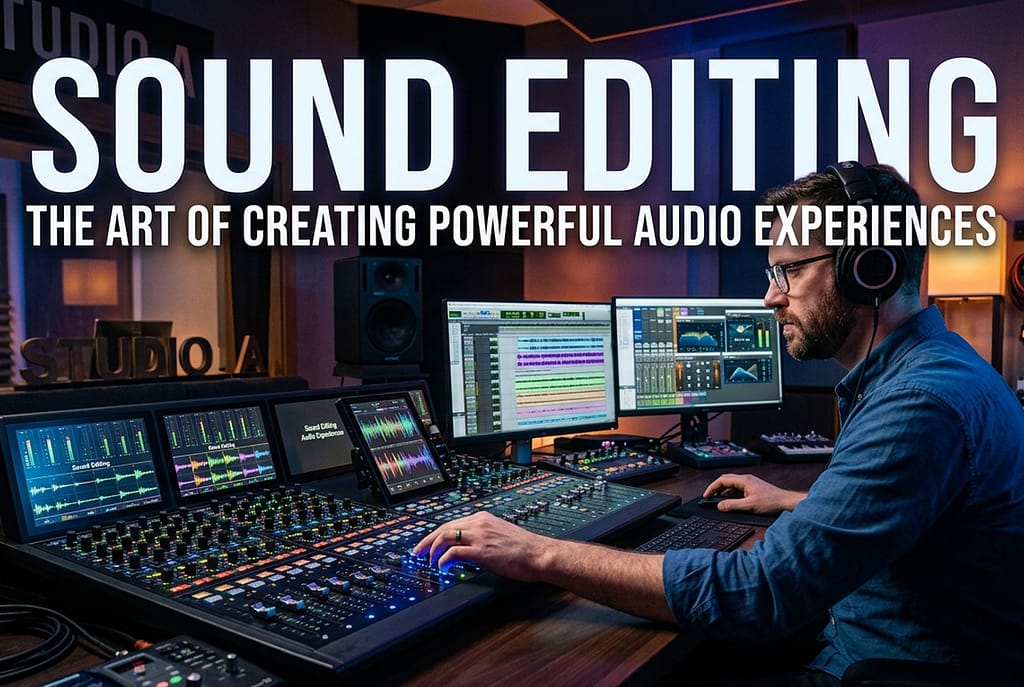
When we watch a movie, play a video game, see an animated movie, or simply scroll down on a captivating video on social media, visuals usually get our attention first. But what many people do not realize is that sound is just as vital as visuals to ensure the full effect of the project.
Here comes the importance of sound editing.
Sound editing is the process of choosing, changing, combining, improving, and synchronizing different sounds in order to make a final product. This process is extremely significant when it comes to movies, animations, video games, TV shows, commercials, podcasts, digital content, and other kinds of multimedia.
The need for professional sound editing will only be growing due to the rising demand for high-quality digital content.
Sound editing is all about improving sound recording and other sounds so that they can blend seamlessly into the project.
Some of the tasks for a sound editor include:
The main objective of sound editing is to produce good quality audio that is balanced and realistic.
For instance, if you watch an action film and all the sound effects are removed, such as explosions, footsteps, vehicles, music and voices, then the visuals on their own will not be able to give the same effect.
The element of sound has the ability to affect the emotions of the audience. A well-edited soundtrack has the ability to generate feelings of excitement, suspense, joy, fear, or sadness.
Sound editing is important because it helps:
Audio recordings may come with various problems such as noise, distortion, clicks, breath sounds, or variations in volume level. Sound editing can help in cleaning up and improving the audio recordings.
Music and sound effects are significant parts of narrative construction. A powerful background score can add suspense to the story, whereas soothing music can make an emotional impact on the audience.
Sound makes it easier for the viewer to comprehend what is going on in the movie. Sound helps provide information through dialogue, environmental sound effects, and sound effects.
Environmental sounds like rain, cars, bird calls, wind, crowds, or footsteps increase the realism of the sound environment.
Good audio will keep viewers engaged with the material being presented. On the contrary, bad audio can spoil the whole effect of an amazing visual presentation.
The job of a sound editor involves ensuring that the audio aspects of the production are managed effectively.
Some of the duties performed by a sound editor include:
The sound editor combines technical know-how and creativity. They need to know about the software and the emotions needed for a particular scene.
Dialogue is one of the most crucial aspects of films, advertisements, videos, and animation.
Dialogue editing includes:
Clear dialogue ensures that the audience can easily understand the story and message.
Sound effects help create realism and excitement.
Examples include:
Sound effects are deliberately chosen and placed by the sound editor with respect to the visual action in mind.
Music contributes greatly to creating the right mood for the project.
A love scene, a horror scene, an action scene, or any other emotional scene will take a different meaning depending on the kind of music used.
Sound editors use music to make sure that it harmonizes with the picture without overwhelming other sounds such as dialogue.
“Sound effects are commonly called ‘Foley sounds’ and refer to sound effects made from sounds of daily life.”
Such examples are:
These sounds add realism and depth to a scene.
Audio mixing entails mixing different sounds together.
This could be such as the following:
It is the responsibility of the sound editor to make sure these pieces blend together properly. Dialogue should be clearly heard while the music and sound effects complement it all.
Sound editing becomes crucial in animations.
Whereas in live action films sounds come from characters and backgrounds by nature, in animations, all sounds need to be created consciously.
For instance, for creating walking sound of an animated character you need:
Similarly, animations of action scenes need sound effects that are well synchronized in order to make the movements realistic.
Sound editing assists in making the animation a good story.
Sound editing is an element of post-production that occurs in filmmaking and videography.
Following the shooting of the film, the audio is edited along with the video clips.
Some of the activities involved in sound editing include:
A well-edited soundtrack can significantly improve the production quality of a film or video.
Professional sound editors use various digital tools to edit and enhance audio.
Popular software and platforms used in the industry include:
Different types of work may need different software based on the type of films, music, podcasts, animation, games, and other digital works that the editor is dealing with.
Industry-specific software can be learned along with other basics of creativity and technology to develop good skills.
A successful sound editor needs a combination of technical and creative abilities.
Important skills include:
Sound editors typically collaborate with directors, videographers, animators, composers, and other artists. It is vital to establish effective communication in a professional environment.
The development of digital entertainment has generated new opportunities for people who have expertise in sound editing.
These individuals can work in sectors such as:
Possible job roles include:
Freelancing is also becoming a popular career option for skilled audio professionals.
In today’s world, there is digital content all around us. Corporations, social media influencers, film makers, educators, and the entertainment industry produce videos on a regular basis.
Starting from YouTube videos and Instagram Reels to animated movies and advertisements, high-quality sound has become one of the essentials in professional content production.
An aesthetically pleasing video with substandard audio might lack viewer engagement, while professionally produced audio can enhance the quality of even the most basic content.
This is why audio editing is an essential skill for students pursuing careers in animation, filmmaking, VFX, multimedia, and digital content production.
Audio editing isn’t just about splicing and arranging the sounds. Rather, it is about comprehending the dynamics of sound with visual storytelling and connecting emotionally with your audience through that process.
For all those students who have interest in the creative fields, learning more than one skill will be an advantage. These include audio-video editing, animation, VFX, motion graphics, filmmaking, digital content creation, etc.
In Arena Animation Jaipur, students can pursue industry-oriented courses in subjects like Animation, VFX, Film Making, Motion Graphics, Graphic Designing, Digital Content Creation, and Multimedia. Learning technical knowledge in addition to being creative can be helpful in preparing for the world of digital media and entertainment.
Conclusion
Sound editing is an integral component of media creation in today’s world. Whether it is a blockbuster film, animated feature, video game, commercial, podcast, or even social media video, sound has a key part to play in making the media engaging to the audience.
A good sound editor can make regular sounds into something engaging and powerful.
As the industries of animation, VFX, gaming, filmmaking, and digital media continue to grow, sound editing can be an interesting field for creative people who have an affinity for sounds and technology.
If you are interested in storytelling, filmmaking, animation, or multimedia, sound editing can be an important part of your future career as a creative professional.